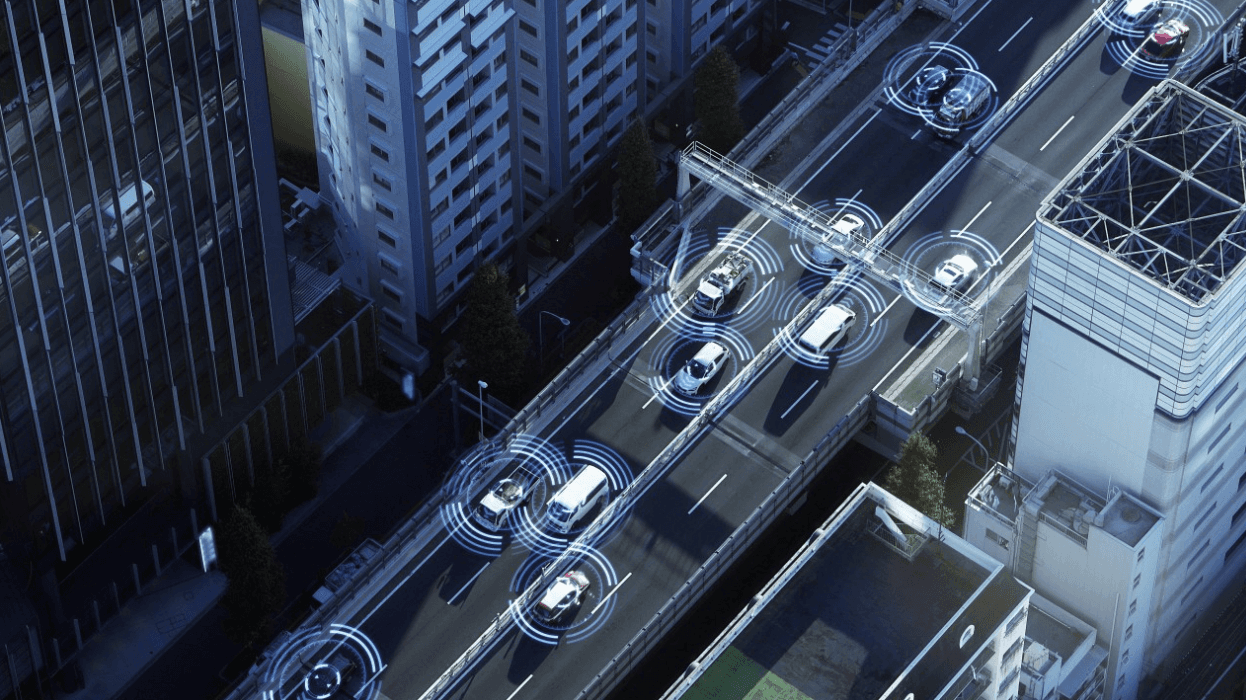
With AI-powered telematics rapidly reshaping the automotive industry, staying on top of the latest trends is no longer an option, but a necessity. Here are five key trends driving a new approach to vehicle connectivity, safety, and efficiency.
Trend 1: Expanding green fleet strategies
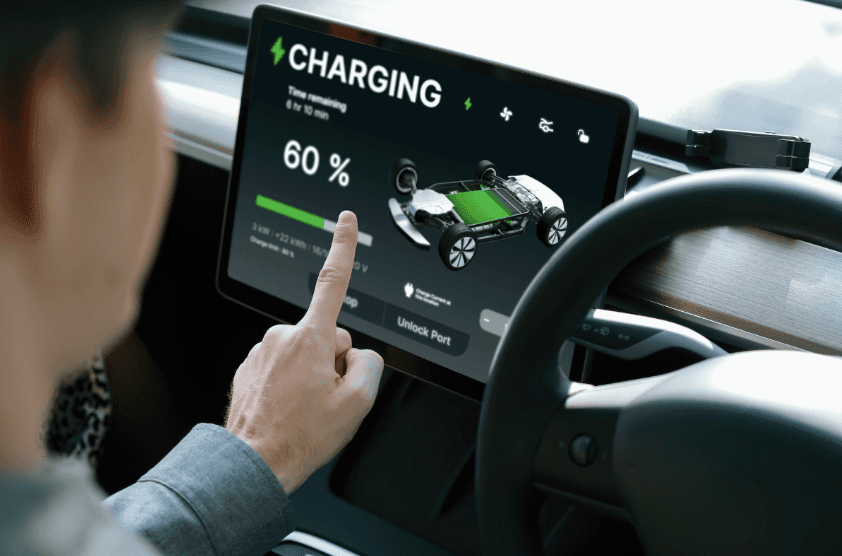
As sustainability becomes a key issue across industries, green fleet operations utilizing AI telematics are proliferating.Real-time fuel management, eco-route design, and more can effectively reduce carbon emissions and fuel usage, and in the case of electric vehicles (EVs), AI can even suggest optimal charging routes and stations based on battery health. These strategies help organizations comply with environmental regulations while reducing costs and enhancing their ESG image.
Industry examples
A last-mile delivery company uses AI telematics to drive a green fleet strategy centered on hybrid vehicles.AI analyzes fuel consumption and emissions data in real time to optimize green route suggestions and charging schedules.This has resulted in a 10% reduction in fuel costs and a 20% reduction in carbon emissions, while meeting environmental certification standards.
Trend 2: Proactive Fleet Wellness
AI-powered telematics is transforming fleet maintenance from reactive to predictive.AI monitors key metrics such as engine health, tire pressure, and brake wear in real time, and provides proactive alerts when anomalous patterns are detected.
Industry examples
A construction equipment rental company adopted AI telematics to monitor brake wear on its fleet of heavy-duty trucks and proactively detect issues with some vehicles to prevent emergency repairs. The company reduced emergency repair costs by 30% and improved fleet utilization, resulting in increased customer confidence and satisfaction.

Trend 3: Intelligence in driver insights
AI adds precision and personalization to the analysis of driving habits, analyzing driver behavior and providing feedback in real time.Data on hard acceleration, hard braking, speeding, idling, and more can be used to drive safer driving habits, directly contributing to lower accident rates and lower maintenance costs.
Industry examples
A nationwide food delivery company uses AI-powered telematics to analyze data such as speeding, hard braking, and frequent stops, and tailor feedback and rewards to individual drivers.By rewarding safe drivers with bonuses and providing additional training to at-risk drivers, the company has seen a 40% reduction in accident rates and improved fuel efficiency.
Trend 4: Advanced cybersecurity posture
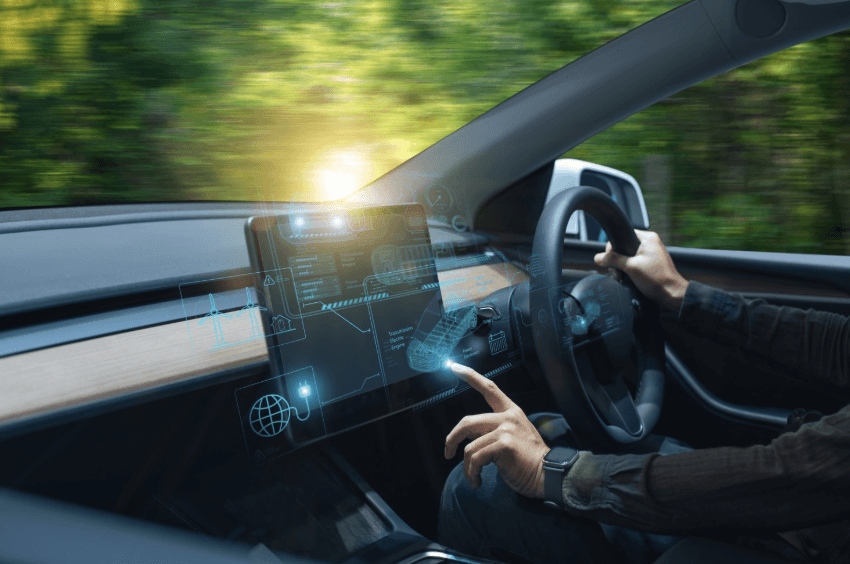
As vehicles and systems become more connected, so does the importance of cybersecurity.AI-powered telematics can help protect vehicle and user data in real time by automating security functions such as detecting anomalous traffic, blocking unauthorized access, and patching security via over-the-air (OTA) updates.
Industry examples
A transportation company that handles sensitive logistics implemented a telematics system with AI-powered cybersecurity capabilities. When anomalous data access or network activity is detected, the vehicle is immediately quarantined and OTA updates quickly fix security vulnerabilities across the entire fleet.This has resulted in "zero" data breaches and increased trust from security-conscious customers.

Trend 5: Dynamic Route Optimization
Unlike traditional static route design, AI recalculates the optimal route in real time to reflect real-time variables (traffic, weather, road closures, demand changes, etc.).This is especially effective for perishables, emergency deliveries, and time-sensitive logistics, and plays a key role in improving delivery quality and customer satisfaction.
Industry examples
A fresh produce retailer optimized deliveries on a hot summer day by using AI-powered telematics to bypass congestion in real time and automatically suggest routes with better access to cold storage facilities. The result was a 25% reduction in delivery time, lower freshness loss, and increased customer satisfaction.
The bottom line
The evolution of AI-powered telematics is moving beyond simple fleet management to revolutionize safety, efficiency, sustainability, and customer trust across the board. Organizations that proactively embrace this trend will not only be able to flexibly respond to changing regulations, but also transition to smarter, more environmentally friendly fleet operations.
A.I.MATICS is at the forefront of this future, using AI technology to help our customers achieve operational efficiency and sustainability.